Professional Roofer for Premium Roofing Solutions
Retaining a professional roofer proves a strategic move for homeowners seeking quality roofing solutions. These skilled professionals not only guarantee compliance with local building codes but also deliver access to high-quality roofing materials. Their proficiency to recognize and rectify emerging problems early can protect meaningful time and money. Becoming aware of the assorted roofing options available and their advantages can enhance this journey. What points should homeowners consider when selecting the right contractor for their expectations?
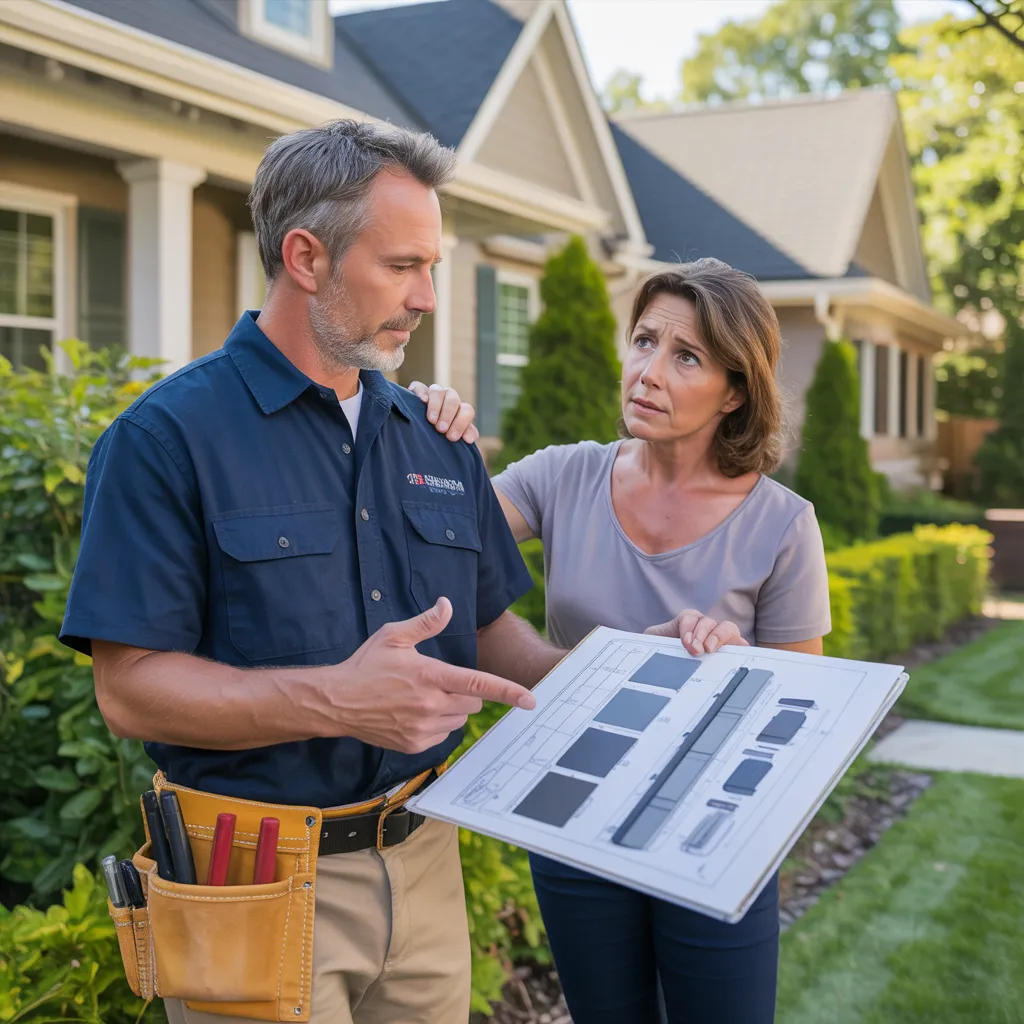
Why You Should Employ a Skilled Roofer
When evaluating a roof job, enlisting a skilled roofing contractor guarantees both superior craftsmanship and safety. Professional roofers possess the required education and knowledge to manage different roofing problems effectively. Their experience enables them to spot potential issues before they worsen, guaranteeing lasting performance. Furthermore, they are well-versed in area construction standards and compliance requirements, which reduces the chance of regulatory issues.
Furthermore, skilled roofing contractors have access to premium-grade supplies that may not be accessible to the typical property owner, enhancing the overall effectiveness of the roof structure. They also offer guarantees that can offer mental reassurance, safeguarding the investment made in the roofing project. Importantly, safety is paramount; professional roofers are furnished with the right tools and safety gear to perform their work without incurring injury. To conclude, hiring a skilled roofing professional is a prudent choice for obtaining a dependable and secure roofing solution.
A Handbook to Common Roofing Materials and Their Benefits
A wide range of roof products are accessible, each presenting unique benefits appropriate for diverse tastes and requirements. Asphalt shingles remain within the most popular due to their affordability, simple installation, and variety of colors. Metal roofing, noted for its strength and extreme weather resistance, also reflects heat, rendering it economical in energy use. Slate tiles offer a timeless look and outstanding durability, while clay tiles deliver superior insulation properties and can handle harsh climates.
For those interested in eco-friendly options, rubber roofing is gaining traction; it mimics the appearance of high-end materials and is derived from recycled products. Wood shakes supply a natural, rustic look but require ongoing maintenance. Finally, synthetic roofing materials fuse the best elements of traditional options, ensuring adaptability and resilience. Each material yields unique benefits, making it essential for homeowners to determine their priorities and consult professionals when making the best roofing solution.
Common Roofing Difficulties and the Manner in Which Professionals Address Them
Frequent roof troubles, such as moisture damage and leaks, can lead to significant structural problems if not addressed promptly. In addition, missing or damaged shingles diminish the roof's integrity and subject the home to further risks. Professionals apply diverse strategies to pinpoint and address these issues, guaranteeing sustained defense and confidence for dwelling owners.
Leaks and Moisture Damage
Leaks and water damage create major obstacles for homeowners, often causing costly repairs and structural concerns. These issues typically develop from a variety of sources, including aging materials, improper installation, or even severe weather conditions. Water infiltration can undermine insulation, stimulate mold growth, and weaken structural integrity. Professional roofers use advanced techniques to detect and resolve leaks effectively. They conduct thorough inspections to pinpoint vulnerable areas, employing tools such as moisture meters and infrared cameras. Once identified, they deploy targeted solutions, which may include sealing, flashing replacement, or, in severe cases, partial roof replacement. By addressing leaks promptly, professionals help homeowners lessen damage, ensuring long-term protection and peace of mind.
Missing or Damaged Shingles
Roofing issues often emerge through missing or damaged shingles, which can compromise a home's protective shield. These defects render vulnerable the core framework to elements, potentially leading to leaks and further deterioration. Professionals typically execute thorough inspections to identify the magnitude of destruction. They may recommend replacing individual shingles or entire sections, depending on the severity. Utilizing top-tier materials, experienced roofers guarantee correct assembly to forestall future issues. Additionally, they review the roof's overall condition to handle any underlying problems, such as weak airflow or foundational vulnerabilities. Consistent maintenance and timely fixes are fundamental to preserving a roof's durability, ultimately protecting the home against water intrusion and other environmental hazards.
Finding the Best Roofing Solution for Your Home
When selecting the superior roofing option for a home, it is essential to evaluate particular roof needs at the outset. Understanding the selection of roofing materials in stock and their respective costs can greatly shape the choice process. Financial planning also play a vital role in ensuring that the picked solution meets both aesthetic and functional requirements.
Evaluating Your Roofing Needs
What is the best way to determine the most effective roofing solution for a home? Reviewing roofing needs begins by looking at the home's architectural style and the local climate. Homeowners should consider factors including energy efficiency, durability, and maintenance requirements. A comprehensive inspection of the existing roof can reveal potential issues that could impact the material selection. Besides, budget constraints are significant; understanding long-term expenses versus upfront costs is important. Consulting a professional roofer can give valuable insights and recommendations suited to particular needs. Finally, the choice should balance aesthetic preferences with functional demands, guaranteeing the selected roofing solution boosts the home’s value while offering enduring protection.
Material Options Summary
Determining the right roofing materials is a pivotal step in the overall roofing process. Homeowners must consider various options, each with unique pros and cons. Asphalt shingles are popular for their affordability and ease of installation, while metal roofing offers strength and energy savings. Clay and concrete tiles provide a stylish, long-lasting solution, particularly suited for warm climates. Wood shakes present a natural aesthetic but demand additional upkeep. Synthetic materials, such as rubber or plastic, replicate classic designs while providing improved longevity. Additionally, environmental considerations may lead some homeowners to investigate green alternatives like green roofs or recycled materials. Ultimately, selecting the best roofing material depends on the home's design, climate, and personal preferences.
Cost Considerations Clarified
Planning a roofing project budget commonly requires careful consideration of several factors to ensure homeowners select the best option for their needs. First, selecting materials strongly affects both initial expenses and long-term durability. Asphalt shingles may be budget-friendly, whereas metal or tile options might provide more longevity but at a higher cost. In addition, labor costs can vary depending on the roofing contractor’s skill and the project’s difficulty. Homeowners should also consider potential hidden costs, like the need for structural repairs or permits. Finally, evaluating long-term savings via energy efficiency and warranties assists in making an informed choice that balances upfront spending with future advantages.
Expected Outcomes From the Roof Installation Process
Understanding the roof installation procedure can greatly enhance a homeowner's experience during a roofing project. Initially, homeowners should expect a thorough examination of the current roofing to assess its state and the necessary repairs or replacements. Following the evaluation, a comprehensive plan will detail the extent of the project, materials, and schedule.
Once the project commences, homeowners can anticipate an organized setup with safety precautions in place to safeguard their property. The roofing crew will remove old materials, examine the underlying structure, and install new roofing systems according to industry standards. Dialogue is crucial, as homeowners should expect updates on progress and any unforeseen issues.
To conclude, the project completes with a meticulous assessment to verify craftsmanship and adherence to specifications. Homeowners should also receive preservation tips to prolong the life of their new roof, highlighting the necessity of understanding the entire roofing process.
The Importance of Consistent Roof Inspections
Although many house owners may ignore roof maintenance, regular check-ups are crucial for maintaining the condition and lifespan of a roof. These inspections help spot minor issues before they become expensive repairs. By spotting concerns such as leaks, loose tiles, or moss growth early, house owners can save both time and money.
Additionally, regular check-ups guarantee that the roof adheres to local building codes and regulations, which can avoid future complications during property transactions. Seasonal changes can damage roofing materials, making it essential to track wear and tear.
Additionally, a well-maintained roof improves the general visual attractiveness of a home and adds to its resale worth. Participating in routine inspections not only supports the structural integrity of the property but also provides confidence for property owners. Ultimately, prioritizing roof check-ups is a preventative strategy to property upkeep that yields benefits in the long run.
Discovering and Hiring a Skilled Roofer in Your Area
After recognizing the significance of regular roof check-ups, homeowners often seek experienced contractors for upkeep and restoration. Finding a certified roofing specialist in their area can be daunting; however, a few key strategies can simplify the process.
Before starting, homeowners ought to request suggestions from acquaintances and relatives who have lately completed roofing services. Feedback and scores visible on platforms including Google find now and Yelp can also offer important information regarding a roofing contractor's credibility.
After a list of prospective applicants is put together, property owners should confirm qualifications, including insurance and licenses. Getting various estimates permits them to compare prices and services offered.
Additionally, asking about warranties and guarantees can help guarantee durable results. By following these steps, property owners can confidently hire a professional roofing contractor who satisfies their specific requirements, guaranteeing their roof systems remain in peak shape for years to come.
Common Inquiries Posed
Which Certifications Are Vital When Choosing a Skilled Roofer?
When looking for a professional roofer, one should prioritize qualifications such as proper licensing, insurance coverage, substantial background, favorable client feedback, and compliance with industry standards. These factors guarantee quality craftsmanship and protection against potential liabilities.
How Much Time Will a Average Roofing Project Require to Complete?
A common roofing project normally takes approximately one to three days, subject to the dimensions and intricacy of the roof, weather conditions, and the crew's competence. Bigger or more sophisticated roofs may necessitate more time.
Are Roof Warranties Assignable When Selling My Home?
Roof warranties can often be reassigned, but specific conditions must apply. Homeowners should review the guarantee materials for specifics concerning the ability to transfer, as certain companies require notification and may establish time limits for the transferring of coverage.
What Measures May I Take if I Believe Roofing Deterioration After a Storm?
After a storm, if roof damage is anticipated, the homeowner should look over the roof for evident problems, catalog any damage, and hire a professional for an appraisal to determine necessary repairs and forestall future damage.
What Can I Do to Keep My Roof Between Expert Inspections?
Regularly examine the roof for debris, look for deteriorated shingles, and clean gutters to prevent water buildup. Address small issues promptly and keep an eye out for signs of leaks or wear between professional inspections.